Fort Kochi takes on a festive character every December as streets, beaches and public spaces become venues for cultural celebrations. The Cochin Carnival 2026 brings together traditional art, sports, music and community events, culminating in the famous Pappanji burning and New Year's Day parade. Organised through the Carnival Committee with support from tourism and civic authorities, the festival celebrates Fort Kochi's multicultural heritage and promotes peace, participation and communal harmony.
Origins and Significance of the Cochin Carnival
The modern Cochin Carnival took shape in 1988 during the United Nations' International Year of Youth. Its founding ideals were also influenced by the International Year of Peace in 1986. Five principles guide the celebrations: Peace, Participation, Progress, Environment and Adventure.
More than 90 local clubs and organisations participate in organising the annual festivities under the leadership of the Sub-Collector (RDO) of Fort Kochi. The Kochi Municipal Corporation, Kerala Tourism Department, India Tourism and District Tourism Promotion Council (DTPC), Ernakulam, also support the event.
Cochin Carnival 2026: Opening Ceremony and Key Dates
The celebrations traditionally begin with the Ceremony of Peace and Solidarity at the War Memorial area. This gathering brings together military representatives, civic authorities, ex-servicemen, schoolchildren, church choirs and local organisations. Wreath-laying honours fallen soldiers and their families, while peace songs and a collective pledge reinforce the festival's message of unity.
The important dates announced for the 2026 celebrations include:
- December 13, 2026: Ceremony of Peace and Solidarity at Vasco da Gama Parade Ground, marking the official opening.
- December 20, 2026: Carnival flag-hoisting at Vasco da Gama Square, alongside a cross-country cycle road race from Fort Kochi, starting at 6 AM.
- December 25, 2026: Kolam and Rangoli competitions at Pandithan Temple, Mattancherry.
- December 31, 2026: Midnight burning of the Pappanji effigy at Fort Kochi Beach.
Sports, Cultural Programs and Street Celebrations
The carnival offers activities for different age groups, with participating clubs independently organising and sponsoring several competitions. Sporting events include beach football, volleyball, swimming, kayaking, boat rowing, angling, cycling, motorbike racing, badminton, boxing, wrestling and cross-country races.
Creative competitions cover painting, drawing, Rangoli, Kolam, Mehndi and quizzes. Traditional music, folk dances, theatre and other cultural performances add to the evening celebrations.
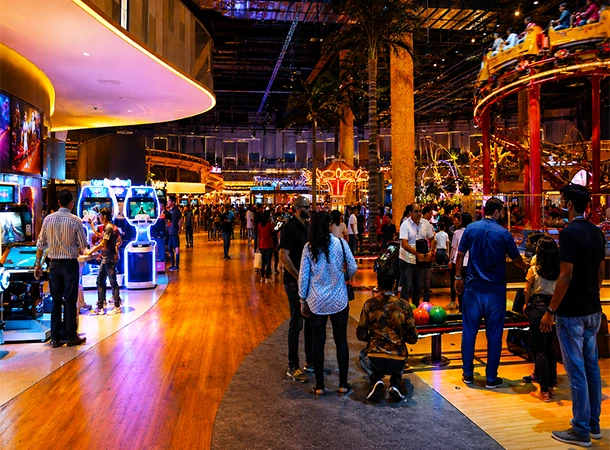
K. B. Jacob Road serves as a major festive stretch, featuring decorative lighting, themed displays and thousands of illuminated stars. Flea markets, food stalls and recreational activities further contribute to the carnival atmosphere. Most public street celebrations and main events are generally free to attend.
Pappanji Burning and the New Year's Day Carnival Rally
The Pappanji burning is the defining moment of the Cochin Carnival. The giant effigy, traditionally depicted as an elderly bearded man in formal attire, symbolises the departure of the old year. Its burning at midnight on December 31, accompanied by music, performances and fireworks, marks the transition into the New Year.
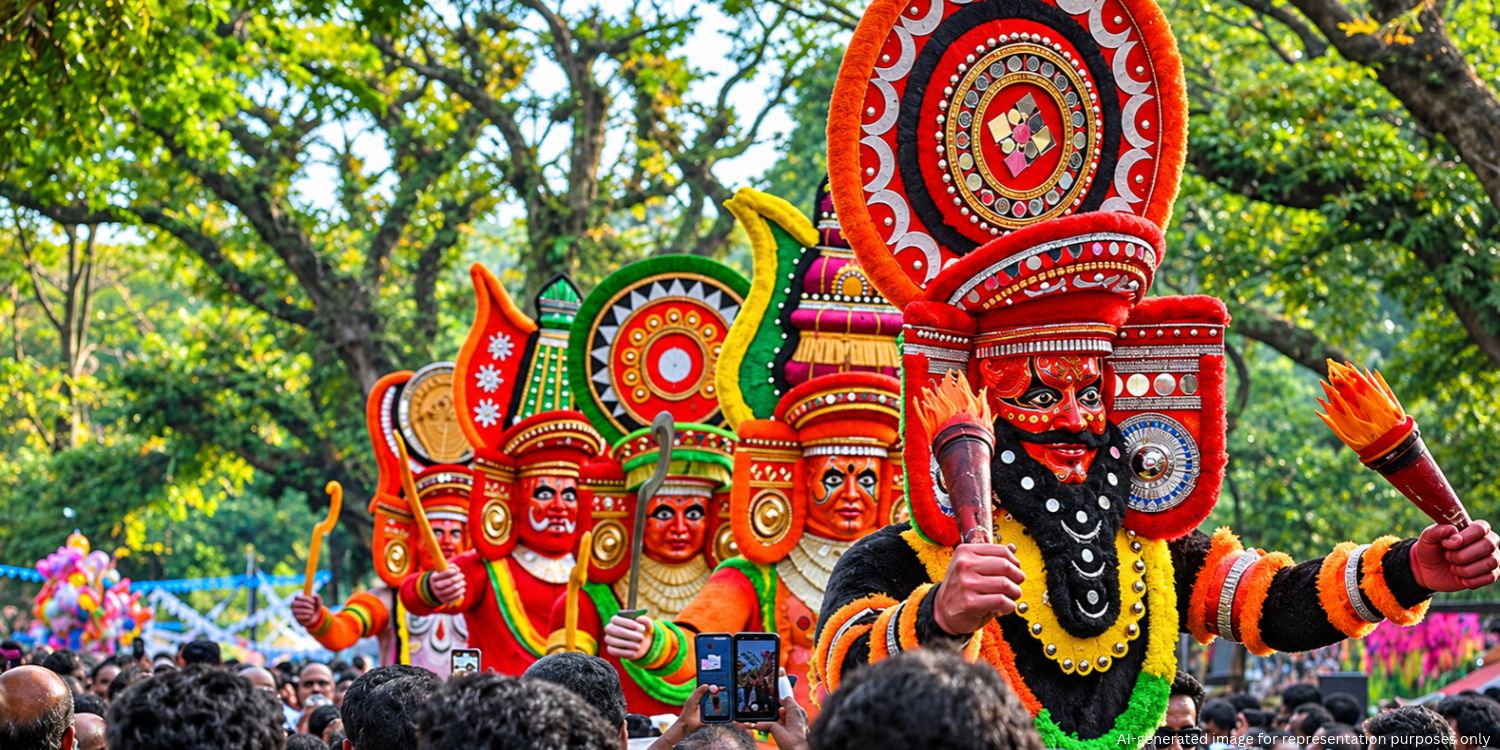
On January 1, Fort Kochi hosts the Carnival Rally, a major cultural procession featuring decorated floats, folk performers, masked participants, marching bands, musicians, dancers and martial arts demonstrations. The parade moves through the town's decorated streets, passing its iconic Chinese fishing nets and illuminated surroundings. Outstanding participants receive the Cochin Mayor's Trophy.
With its combination of historical traditions, community participation and cultural performances, the Cochin Carnival remains an important annual celebration in Kerala's tourism calendar. The 2026 festivities will bring Fort Kochi together once again, leading from the December opening ceremony to the New Year's Day parade.
Frequently Asked Questions
01 When is the Cochin Carnival 2026 celebrated?
The Cochin Carnival 2026 takes place in Fort Kochi, Kerala, during the second half of December, concluding on January 1, 2027. The celebrations begin with the Ceremony of Peace and Solidarity on December 13, followed by sporting competitions, cultural programs, flag-hoisting and New Year's Eve festivities.
02 Where is the Cochin Carnival 2026 held?
The Cochin Carnival 2026 is primarily celebrated and held across Fort Kochi, with major venues including Vasco da Gama Square, K. B. Jacob Road and Fort Kochi Beach. The flag-hoisting ceremony takes place at Vasco da Gama Square, while the famous Pappanji burning is held on the beach at midnight on December 31.
03 What is the Ceremony of Peace and Solidarity at the Cochin Carnival 2026?
The Ceremony of Peace and Solidarity is the official opening event of the Cochin Carnival 2026, scheduled for December 13 at Vasco da Gama Parade Ground, Fort Kochi. Held near the War Memorial, it includes wreath-laying tributes to fallen soldiers, participation by military representatives and civic authorities, peace songs and a collective pledge for harmony.
04 What are the important dates of the Cochin Carnival 2026?
The major Cochin Carnival 2026 events in Fort Kochi include the opening ceremony on December 13, flag-hoisting and a cycle road race on December 20, and Kolam and Rangoli competitions at Pandithan Temple, Mattancherry, on December 25. The Pappanji burning takes place at midnight on December 31.
05 What activities can visitors enjoy at the Cochin Carnival in Fort Kochi?
Visitors to the Cochin Carnival in Fort Kochi can participate in beach football, volleyball, cycling, swimming, kayaking, motorbike racing, badminton, boxing and wrestling. Cultural competitions include painting, drawing, Rangoli, Kolam and Mehndi. The celebrations also feature folk dances, traditional music, theatre performances, flea markets and local food.
06 What is the significance of Pappanji burning at the Cochin Carnival?
Pappanji burning is the signature New Year's Eve tradition of the Cochin Carnival in Fort Kochi. A giant effigy depicting an elderly bearded man in formal attire is set on fire at midnight on December 31 at Fort Kochi Beach. It symbolises the end of the old year and the beginning of a new one, accompanied by cultural performances and fireworks.