
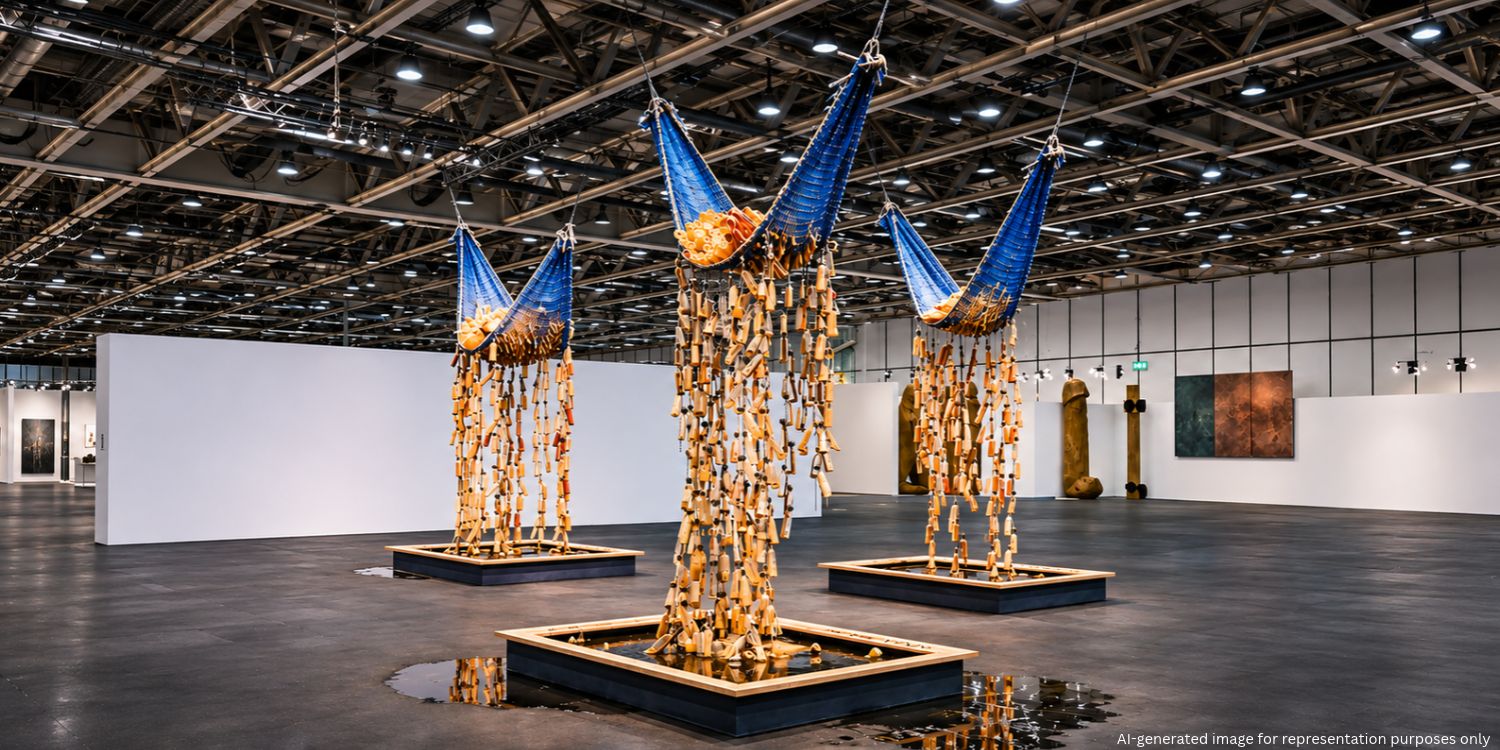
Kochi’s historic waterfront will once again become a meeting point for contemporary art and cultural exchange as the seventh Kochi-Muziris Biennale (KMB) prepares to return. The exhibition's new theme, announced by its curator, explores the relationship between dreams, memory and repair. Scheduled from December 12, 2027, to March 31, 2028, the edition aims to examine how art can help reclaim human imagination, revisit colonial histories and encourage collective healing.
The Seventh Edition: Theme and Curatorial Direction
The theme was unveiled on November 14, 2026, at the Chhatrapati Shivaji Maharaj Vastu Sangrahalaya in Mumbai. Algerian-French artist and scholar Kader Attia will curate the exhibition, becoming the first international curator in the biennale's history.
The curatorial approach examines how technology, historical experiences and collective memories shape human identity. It also draws attention to the growing influence of artificial intelligence on human imagination.
Key ideas behind the exhibition include:
- Dreams and Artificial Intelligence: The exhibition contrasts the unpredictable nature of human dreams and artistic expression with AI's predictive systems. It questions how algorithmic tracking and data collection affect people's control over their memories and imagination.
- Historical Memory and Repair: Through Kochi's history as a major Indian Ocean trading port and a centre of European colonial activity, the exhibition will explore how art can challenge exploitative legacies and support collective healing.
- Literary and Social Thought: Its conceptual foundations include the 1905 utopian story Sultana's Dream and the sociological work Afrodystopia: Life in Someone Else's Dream, bringing questions of alternative futures and hybrid identities into the discussion.
Understanding the Kochi-Muziris Biennale
The Kochi-Muziris Biennale is South Asia's largest contemporary art festival, held every two years across Kochi, Kerala. Founded in 2010, it transforms heritage buildings, former colonial warehouses and public spaces into exhibition venues.
Its name draws from Muziris, an ancient port near present-day Kochi that connected India with trading communities across the Middle East, Africa and Europe for more than 2,000 years.
Unlike conventional museum exhibitions, the biennale takes contemporary art into public spaces and neighbourhoods. Its programme also extends beyond visual exhibitions through:
- Talks, film screenings and live performances.
- Student biennales and public engagement programmes.
- Free or low-cost access to encourage wider participation.
Cultural Significance and What to Expect in 2027-28
The seventh edition marks a new direction for the biennale by bringing an international curatorial perspective to its exploration of South Asian and global histories. It also places Kochi's colonial past within wider conversations about technology, identity and postcolonial experiences across Africa, Asia and Europe.
The event has broader cultural and economic importance for Kerala. Its four-month programme attracts visitors from India and abroad, supporting local tourism, hospitality and heritage preservation. By using historic spice warehouses and everyday neighbourhood spaces as exhibition venues, it also makes experimental contemporary art more accessible to residents and students.
The 2025-26 edition focused on stabilising the festival following earlier funding and logistical challenges. The early announcement of the seventh edition's theme establishes its intellectual direction well ahead of the opening.
Looking Ahead to the Seventh Kochi-Muziris Biennale
The seventh Kochi-Muziris Biennale will bring together contemporary artistic expression, collective memory and questions of historical repair under one curatorial theme. With its international curatorial direction and focus on AI, colonial history and human imagination, the exhibition is expected to offer a distinct perspective when it opens on December 12, 2027, across Kochi's historic venues.
FAQs
1. What is the theme of the seventh Kochi-Muziris Biennale 2027?
The theme of the seventh Kochi-Muziris Biennale centres on the relationship between dreams, memory and repair. Curated by Algerian-French artist Kader Attia, the exhibition will explore human imagination, collective memory, artificial intelligence and the possibilities of addressing historical injustices through art.
2. When will the seventh Kochi-Muziris Biennale take place?
The seventh Kochi-Muziris Biennale will take place from December 12, 2027, to March 31, 2028. The four-month contemporary art exhibition will take place across multiple historic venues in Fort Kochi and Mattancherry, Kochi, Kerala.
3. Who is curating the Kochi-Muziris Biennale 2027-28?
Algerian-French artist and scholar Kader Attia will curate the seventh Kochi-Muziris Biennale. He is the first international curator in the festival's history. His curatorial approach connects dreams, memory and repair with artificial intelligence, colonial histories and collective healing.
4. How does the Kochi-Muziris Biennale 2027 explore artificial intelligence?
The 2027-28 Kochi-Muziris Biennale examines how artificial intelligence and algorithms influence human memories and imagination. Its curator contrasts AI's predictive systems with the unpredictable nature of dreams and artistic expression, questioning how people can retain control over their creative and intellectual identities.
5. Why is Kochi's colonial history important to the seventh Biennale?
Kochi's history as a major Indian Ocean trading port and centre for European colonial exchange forms an important part of the seventh Kochi-Muziris Biennale. The exhibition will examine how contemporary art can confront exploitative historical legacies and encourage reflection, dialogue and collective healing.
6. What makes the Kochi-Muziris Biennale different from traditional art exhibitions?
The Kochi-Muziris Biennale transforms heritage warehouses, colonial-era buildings and public spaces across Fort Kochi and Mattancherry into exhibition venues. Alongside contemporary art installations, it features talks, film screenings, live performances and student programmes, with free or low-cost access encouraging wider public participation.