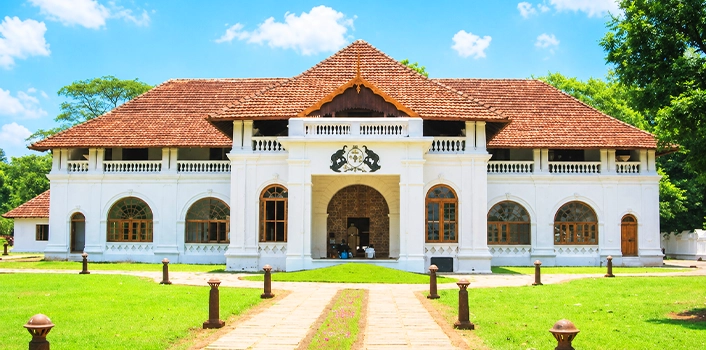
Tucked within the historic lanes of Fort Kochi, the Mattancherry Palace stands as a remarkable
reminder of Kerala’s layered past. Often referred to as the Dutch Palace, this heritage structure
carries a story shaped by multiple cultural influences and royal traditions. Located a short distance
from Ernakulam, it continues to attract visitors who are curious to explore the region’s history
through architecture and art.
The origins of the palace date back to the mid sixteenth century when it was constructed by the
Portuguese and presented to the rulers of Kochi. Over time, the structure underwent restoration
under Dutch administration, which led to its popular name. Later, the region came under different
powers, each leaving subtle marks on its legacy. Despite these transitions, the palace remained
closely associated with the royal family of Kochi and was used for important ceremonies and
administrative purposes.
The design of the palace reflects the traditional Kerala style known as the nalukettu, where four
wings are arranged around a central open courtyard. This layout creates a calm and balanced space,
allowing light and air to flow naturally through the structure. At the same time, certain elements
reveal European influence, especially in the proportions and detailing of the interiors.
Inside, the ceilings are decorated with finely carved wooden patterns, including floral motifs and
distinctive designs that immediately draw attention. The flooring is another fascinating feature,
created using a mix of natural materials that give it a polished, stone like appearance. Together,
these elements highlight the craftsmanship and thoughtful design that define the palace.
At the heart of the courtyard lies a shrine dedicated to Pazhayannur Bhagavathi, reflecting the
spiritual beliefs connected to the royal household. Nearby, temples dedicated to Shiva and Krishna
add to the sacred atmosphere of the complex.
The interiors of the palace offer insight into royal life. Various halls and chambers, including the
coronation hall, assembly spaces, and private rooms, reveal how the palace once functioned as both
a residence and a centre for governance. The presence of ceremonial objects, traditional attire, and
royal artifacts helps bring this history to life in a quiet and engaging way.
One of the most striking aspects of the palace is its collection of murals. These paintings cover large
sections of the walls and are created using traditional techniques and natural colours. Scenes from
the Ramayana are depicted in detail, capturing moments from the epic with expressive forms and
vibrant tones.
Other murals portray stories inspired by classical literature such as Kumarasambhavam, along with
themes related to divine narratives. These artworks are not only visually impressive but also offer a
deeper understanding of cultural and religious storytelling traditions in Kerala.
Beyond its walls and artwork, the palace represents a period when trade, diplomacy, and cultural
exchange shaped the identity of Kochi. The blend of local traditions with foreign influences is visible
in every corner, making it more than just a historical monument. It stands as a symbol of how
different cultures interacted and coexisted over time.
Today, the palace continues to be a place where visitors can quietly step into history. Its well
preserved spaces, artistic richness, and cultural significance make it an essential stop for anyone
exploring the heritage of Kochi.
1. Where is Mattancherry Dutch Palace located?
It is located in Mattancherry, within Fort Kochi, around 10 to 12 kilometres from Ernakulam in
Kerala.
2. Why is it called the Dutch Palace?
The palace was originally built by the Portuguese but later renovated by the Dutch, which led to its
popular name.
3. What is special about the murals inside the palace?
The murals depict scenes from the Ramayana and other classical stories using traditional techniques
and natural colours.
4. What architectural style is used in the palace?
It follows the traditional Kerala nalukettu style, featuring a central courtyard and interconnected
wings.
5. What can visitors see inside the palace?
Visitors can explore royal chambers, ceremonial halls, murals, and displays of historical artifacts
related to the Kochi rulers.
Discover the most comprehensive business directory and blog platform in Kochi, Kerala, designed to help users find trusted local services, top-rated companies, and industry insights. Explore and find categories including restaurants, coffee shops healthcare, interior showrooms, real estate, education, tourism, and IT services with verified listings and detailed information. Stay updated with expert blogs, local trends, and business tips that guide your decisions. Easily search, compare, and connect with the best businesses in Kochi to meet your personal and professional needs efficiently.