Kochi is steadily redefining itself as a structured cultural tourism hub, where heritage conservation is
being aligned with economic growth. A series of projects led by Greater Cochin Development
Authority (GCDA) and supported by the 2026-27 state budget is reshaping how the city presents its
history, waterways, and urban spaces to visitors.
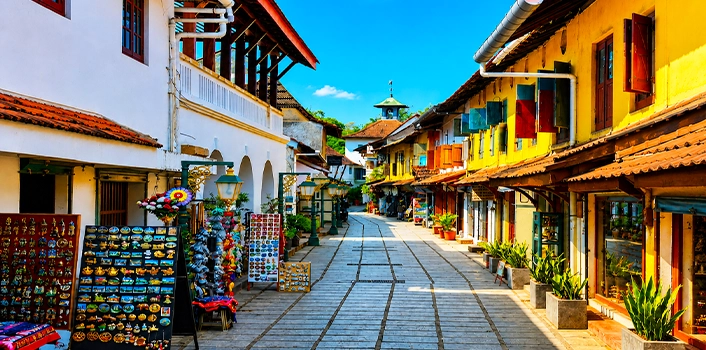
The Heritage Circuit in Fort Kochi has now moved into the implementation pipeline after earlier
mapping phases. The project is built around three pillars - waterfront development, tourist entry
points, and curated heritage streets.
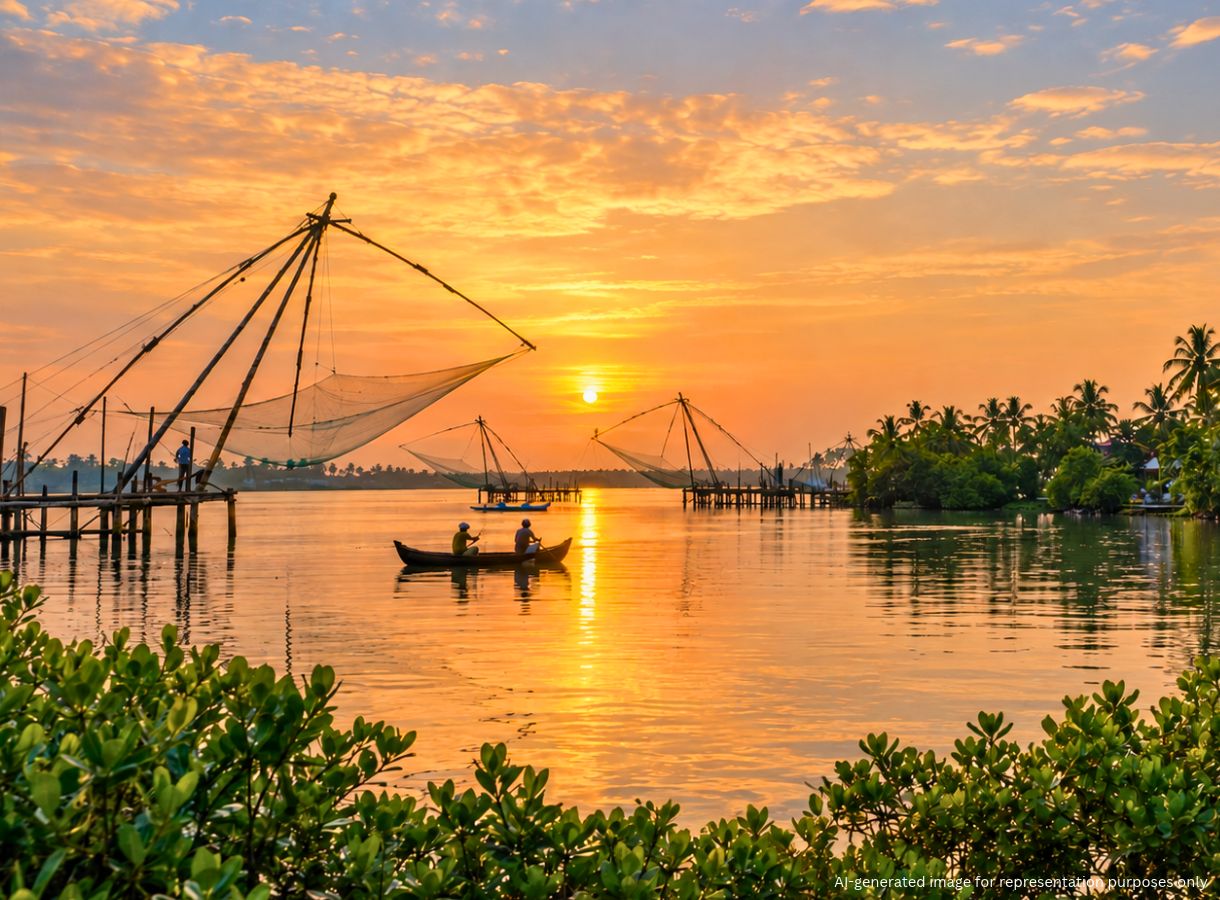
The waterfront plan focuses on restoring historic assets and enhancing promenades, including areas
around traditional fishing zones. Entry nodes are being reorganized to manage tourist flow efficiently,
while themed heritage districts are expected to support cultural activities and extend tourism into
the evening economy.
Backed by earlier allocations of around ₹50 crore and supported by conservation frameworks aligned
with UNESCO principles, this project positions Fort Kochi as a “living heritage zone” rather than a
static attraction.
Thrippunithura has emerged as a key heritage extension zone. Over 200 locations - including
landmarks like Hill Palace and Sree Poornathrayeesa Temple - have already been digitally mapped.
Phase II, launched recently, expands this effort into suburban pockets, ensuring lesser-known
heritage assets are integrated into tourism circuits. A GIS-enabled heritage portal now allows visitors
to navigate sites with historical context, marking a shift toward digital-first tourism infrastructure.
Supporting infrastructure, including a proposed bus terminal, is expected to improve accessibility
and increase visitor footfall in this historically rich region.
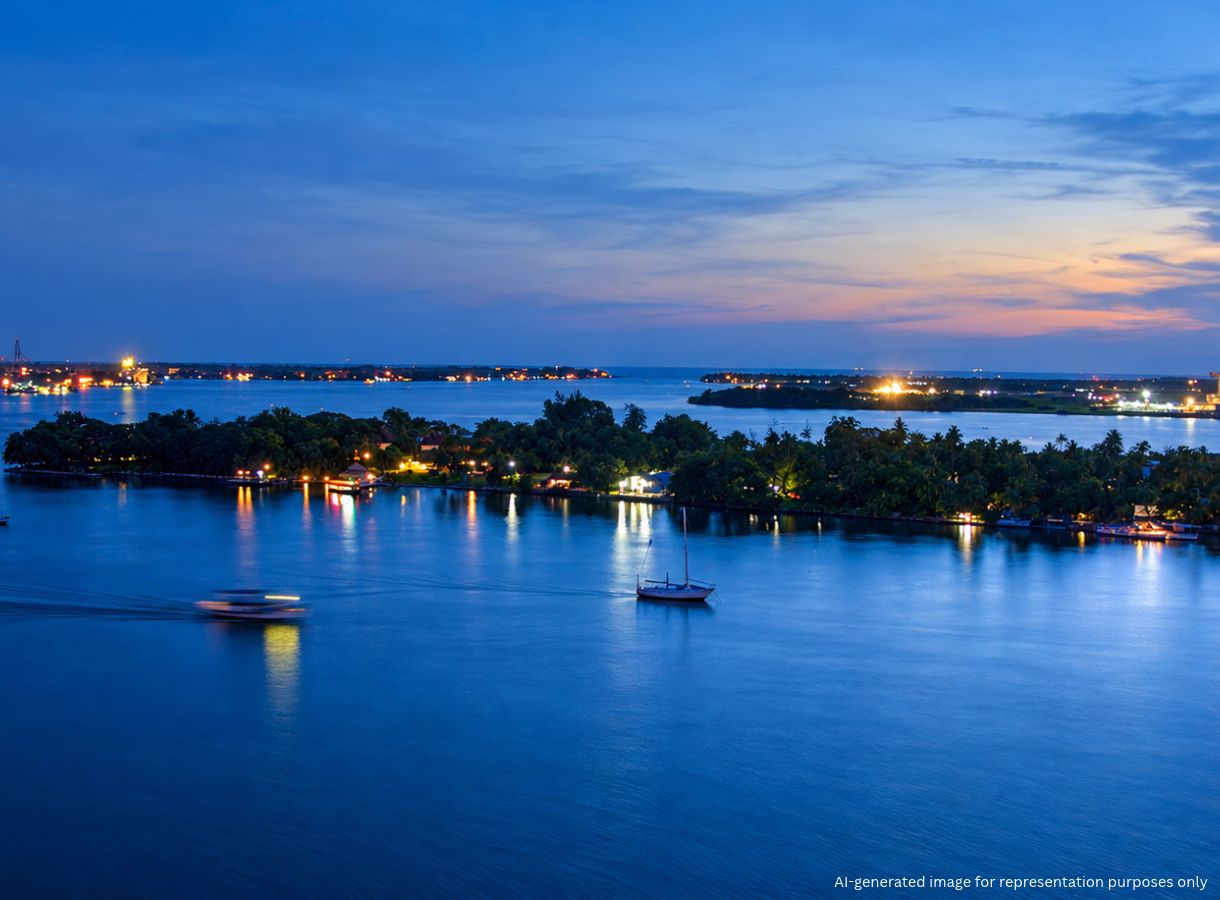
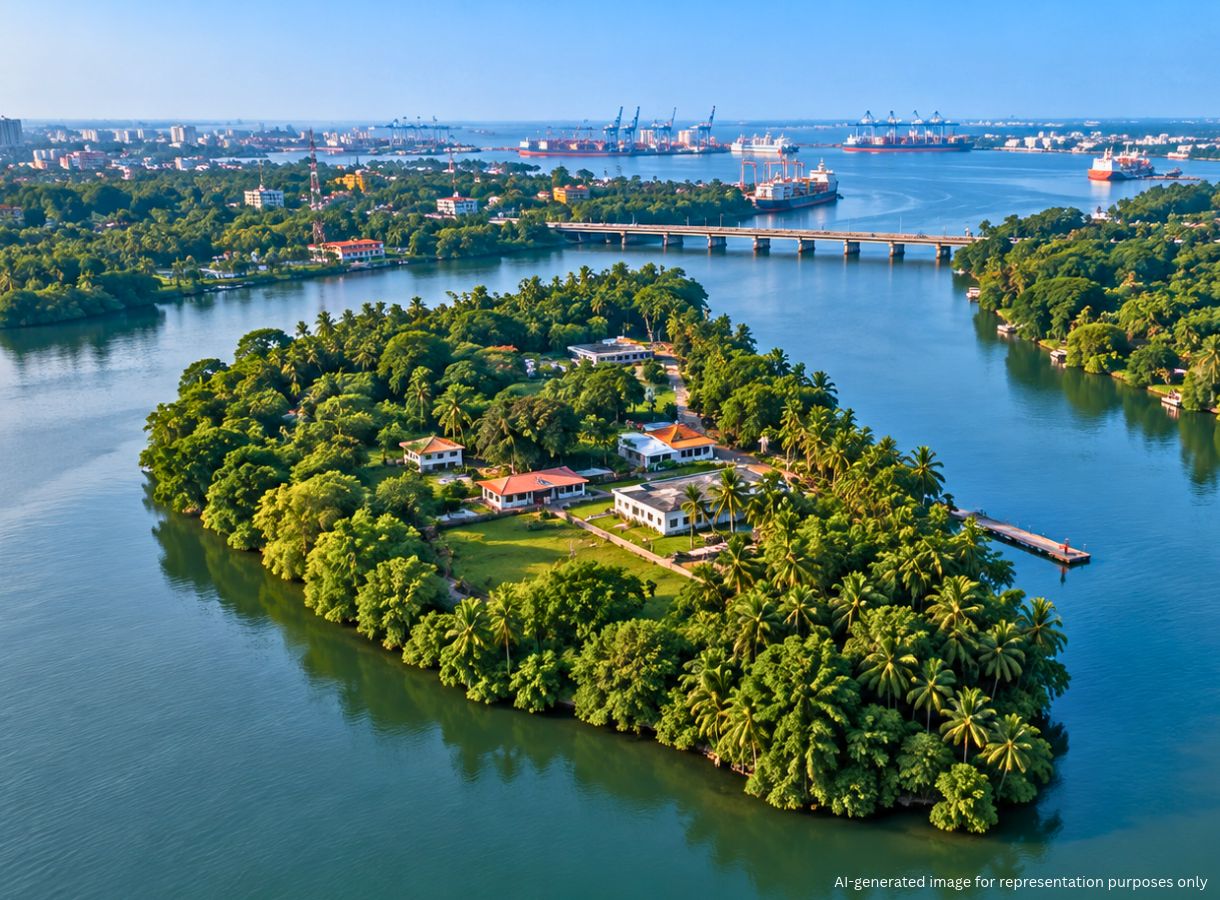
Kumbalam is being positioned within a larger eco-tourism framework under the state’s Blue-Green
tourism vision. The development plan focuses on leveraging its backwater landscape for sustainable
tourism experiences.
Although detailed master plans are still evolving, the project is strategically tied to upcoming
connectivity improvements in the Kumbalam-Aroor corridor. This alignment indicates a long-term
vision where infrastructure and tourism grow in parallel.
Aluva is focusing on tourism through environmental restoration. The ongoing Periyar River study
aims to balance ecological preservation with tourism potential.
Budget allocations for 2026-27 prioritize upgrading civic infrastructure, including the Town Hall and
public spaces. Park developments and open urban areas are also being introduced, indicating a shift
toward community-oriented tourism rather than purely commercial models.
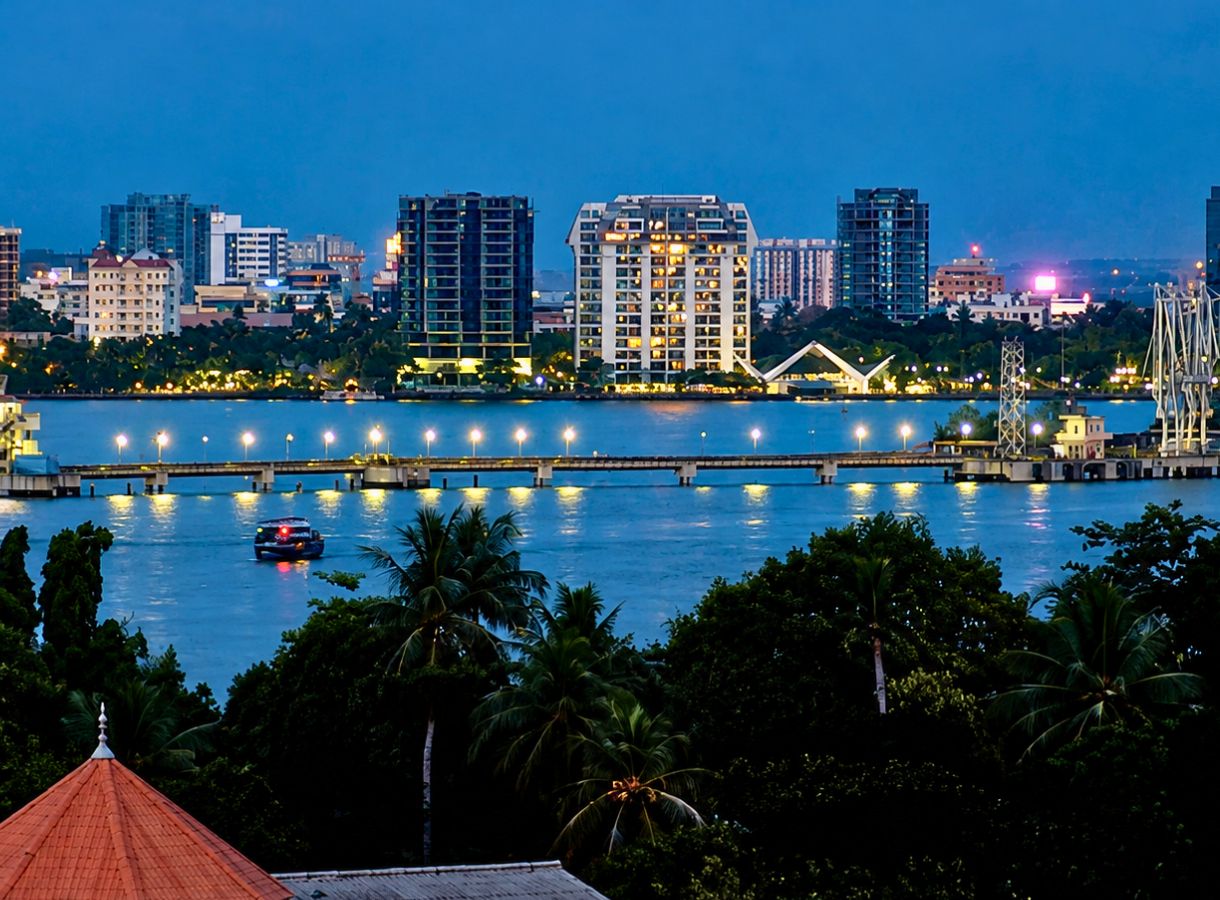
Marine Drive Kochi continues to evolve as a central urban attraction. The upcoming “Queen’s Bay”
project is expected to modernize the waterfront with upgraded amenities and improved pedestrian
experiences.
The plan also includes extending the existing walkway and enhancing nearby commercial zones,
reinforcing Marine Drive’s role as both a leisure and economic hub.
The Fort Kochi Dhobi Khana redevelopment introduces a hybrid model where heritage preservation
meets commercial viability. The project proposes a multi-level commercial complex with
rehabilitation provisions for existing workers.
With an estimated investment of ₹12 crore, it includes retail spaces and a conference facility,
ensuring that traditional communities remain integrated into Kochi’s evolving tourism ecosystem.
These projects collectively signal a broader transformation. Kochi is moving beyond seasonal tourism
toward a structured, year-round visitor economy. This is directly influencing the rise of short-term
rentals, boutique stays, and hospitality investments across heritage zones and waterfront areas.
By combining conservation, infrastructure, and digital integration, Kochi is not just preserving its past
-it is actively converting it into a sustainable economic engine.
1. What are the key tourism and heritage projects in Kochi for 2026?
Major projects include the Fort Kochi Heritage Circuit, Thrippunithura Heritage Mapping, Marine
Drive upgrades, Kumbalam eco-tourism plan, Aluva tourism development, and the Dhobi Khana
commercial complex.
2. How is Fort Kochi being developed as a tourism hub?
Fort Kochi is being enhanced through waterfront restoration, structured tourist entry points, and
themed heritage districts to improve visitor flow and extend cultural activities.
3. What is the purpose of the Thrippunithura heritage mapping project?
It aims to digitally map and promote over 200 heritage sites, making them accessible through GIS-
based platforms for easier navigation and tourism growth.
4. How will the Kumbalam tourism project impact local tourism?
The plan focuses on eco-tourism by utilizing backwater landscapes, supported by improved
connectivity and sustainable tourism initiatives.
5. What changes are planned for Marine Drive in Kochi?
Marine Drive will see waterfront upgrades, including the Queen’s Bay project, improved walkways,
and enhanced commercial infrastructure.
Discover the most comprehensive business directory and blog platform in Kochi, Kerala, designed to help users find trusted local services, top-rated companies, and industry insights. Explore and find categories including restaurants, coffee shops healthcare, interior showrooms, real estate, education, tourism, and IT services with verified listings and detailed information. Stay updated with expert blogs, local trends, and business tips that guide your decisions. Easily search, compare, and connect with the best businesses in Kochi to meet your personal and professional needs efficiently.