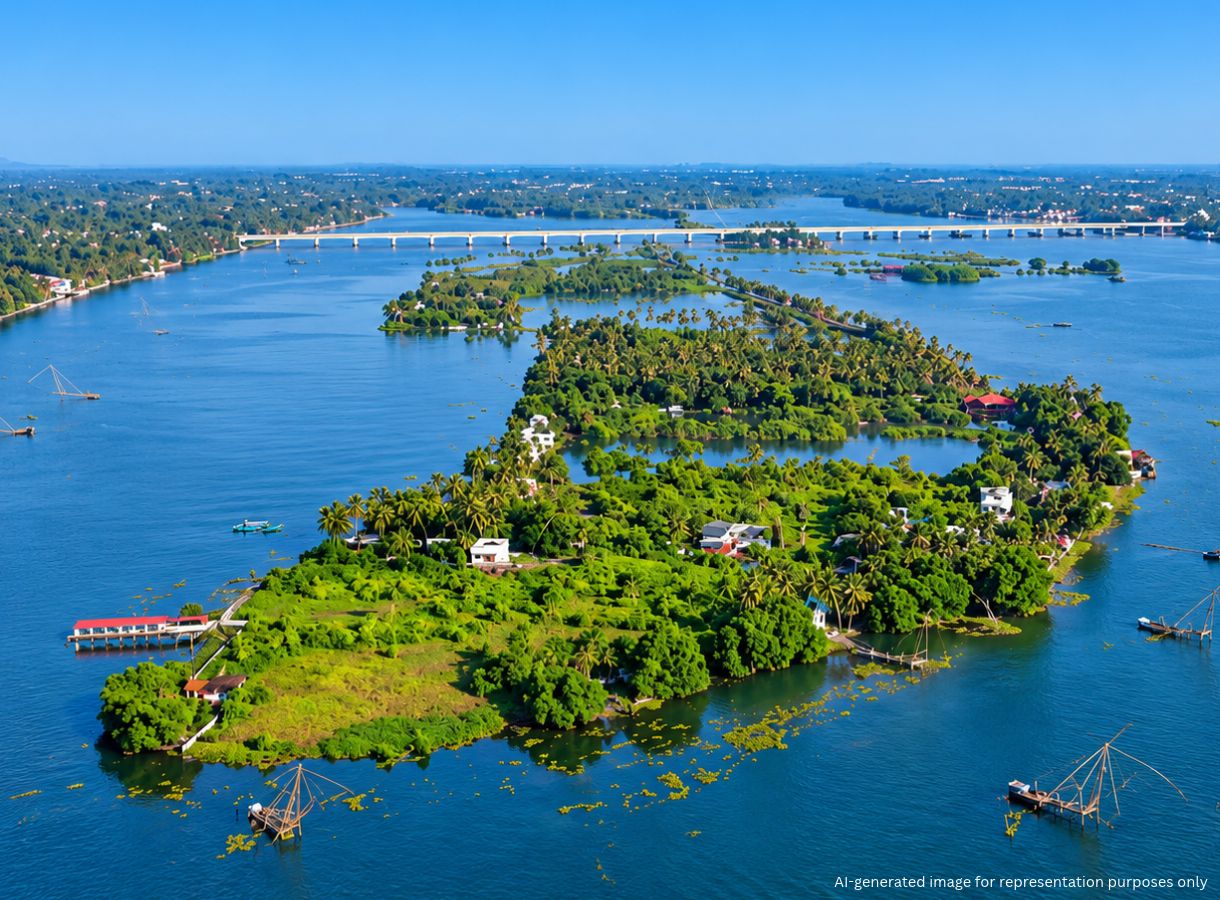

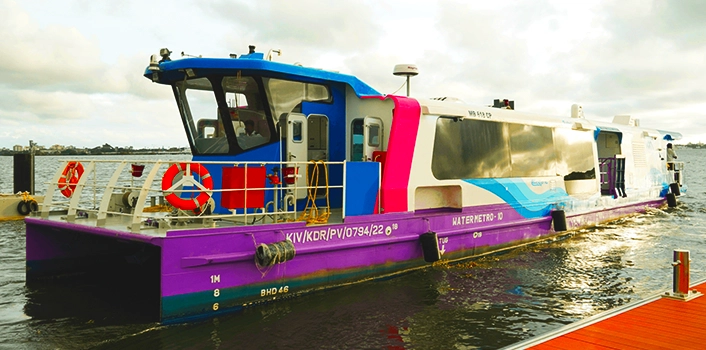
In Kochi, where waterways form a natural part of the landscape, the introduction of the Water Metro has created a structured and efficient transport system. Instead of relying only on roads, the city is now using its backwaters as a reliable commuting network. This approach has improved connectivity and provided a practical solution to traffic congestion.
Improving Daily Travel Efficiency
The Water Metro has become a dependable option for regular commuters. With millions of passengers already using the service, it has established itself as a consistent part of the city’s transport system. Many people now use it for daily travel between residential areas and key business zones. Travel time has reduced for several routes, especially for those living on islands or near the waterfront. Instead of taking longer road routes, commuters can now choose more direct water connections. The system also works alongside other public transport options, making it easier to switch between different modes during a journey.
Strengthening Connectivity Across Key Areas
Kochi consists of multiple islands and mainland regions that require strong connectivity. The Water Metro has improved access between these areas by linking important locations such as Fort Kochi, Vypin, and Bolgatty Island. This has made it easier for residents to reach workplaces, schools, and public services. Better connectivity has also supported movement across the city without adding pressure to road infrastructure. As a result, travel has become more predictable and less dependent on road traffic conditions.
Focus on Sustainable Transport
The Water Metro operates using electric and hybrid boats, which reduces environmental impact compared to traditional fuel based transport. This contributes to lower emissions and supports long term sustainability goals. By shifting a portion of daily travel to waterways, the system also helps reduce congestion on roads. This not only improves traffic flow but also enhances overall urban mobility. The use of modern technology ensures that the system remains efficient while maintaining environmental standards.
Expansion and Future Plans
The Water Metro network is still expanding, with new routes and terminals under development. Planned extensions aim to connect additional areas, including regions like Kadamakkudy. These expansions are expected to improve coverage and bring more communities into the network. There are also plans to improve connectivity to major transit points, including a proposed link toward the airport corridor. As more boats are added and new terminals are completed, the system will be able to handle higher passenger volumes and offer wider access.
A Structured Approach to Urban Mobility
The Kochi Water Metro represents a functional approach to urban transport. It uses existing natural resources to improve connectivity while reducing dependence on roads. By integrating water based travel into the city’s transport system, Kochi has created a more balanced and efficient model for daily commuting. As the network continues to grow, it is expected to play a larger role in supporting the city’s mobility needs. The focus remains on improving accessibility, reducing congestion, and providing a reliable transport option for residents.
Frequently Asked Questions
01 How does the Kochi Water Metro help daily commuters?
It offers faster and more direct routes, reducing travel time and avoiding road congestion.
02 Is the Water Metro integrated with other transport systems?
Yes, it connects with existing public transport options, allowing smoother travel across the city.
03 Which areas are currently connected?
Key locations such as Fort Kochi, Vypin, and Bolgatty Island are part of the network.
04 Are there future expansion plans?
Yes, new routes and terminals are planned to connect more regions, including island clusters.
05 What makes the Kochi Water Metro sustainable?
It uses electric and hybrid boats, which reduce emissions and support environmentally friendly
transport.