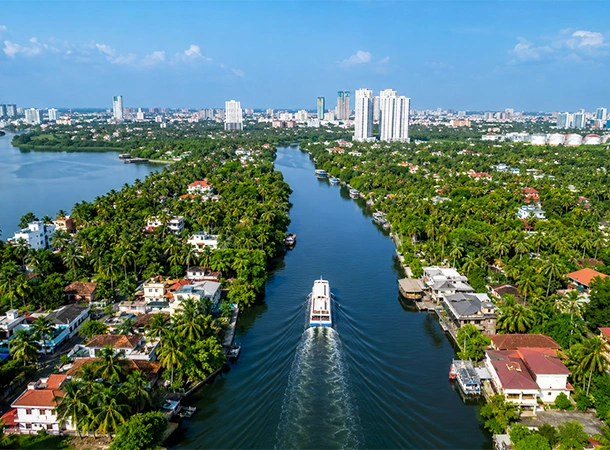
Kochi’s water transport network is being reshaped to address practical challenges in expanding public connectivity. A revised government order has removed six proposed terminals from the Kochi Water Metro project while adding Nettoor to the plan. The changes reduce the planned network from 38 terminals to 33, raising concerns about access for island communities and residents who expected better connections to hospitals, workplaces and feeder transport. The revised approach could improve operational feasibility, although its wider benefits will depend on how the remaining routes serve commuters.
The Transport Department’s September 28 government order follows a request submitted by the former managing director of Kochi Metro Rail Limited (KMRL) on August 13. The proposal identified land acquisition difficulties, navigation constraints and limited passenger demand among the reasons for revising the terminal network.
Nettoor, meanwhile, has been included because the required land is already secured and the location could serve as a feeder connection to the Kakkanad-Infopark IT corridor.
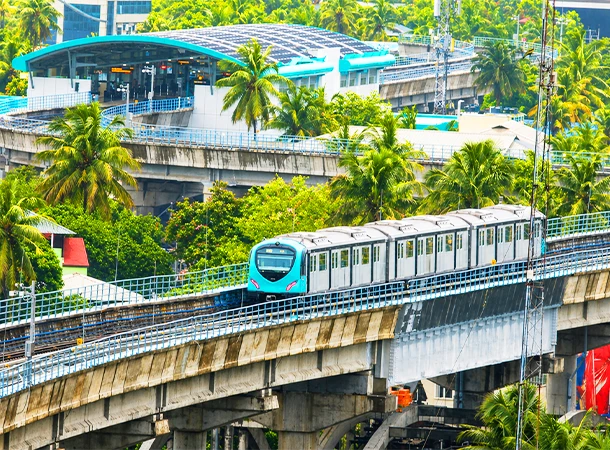
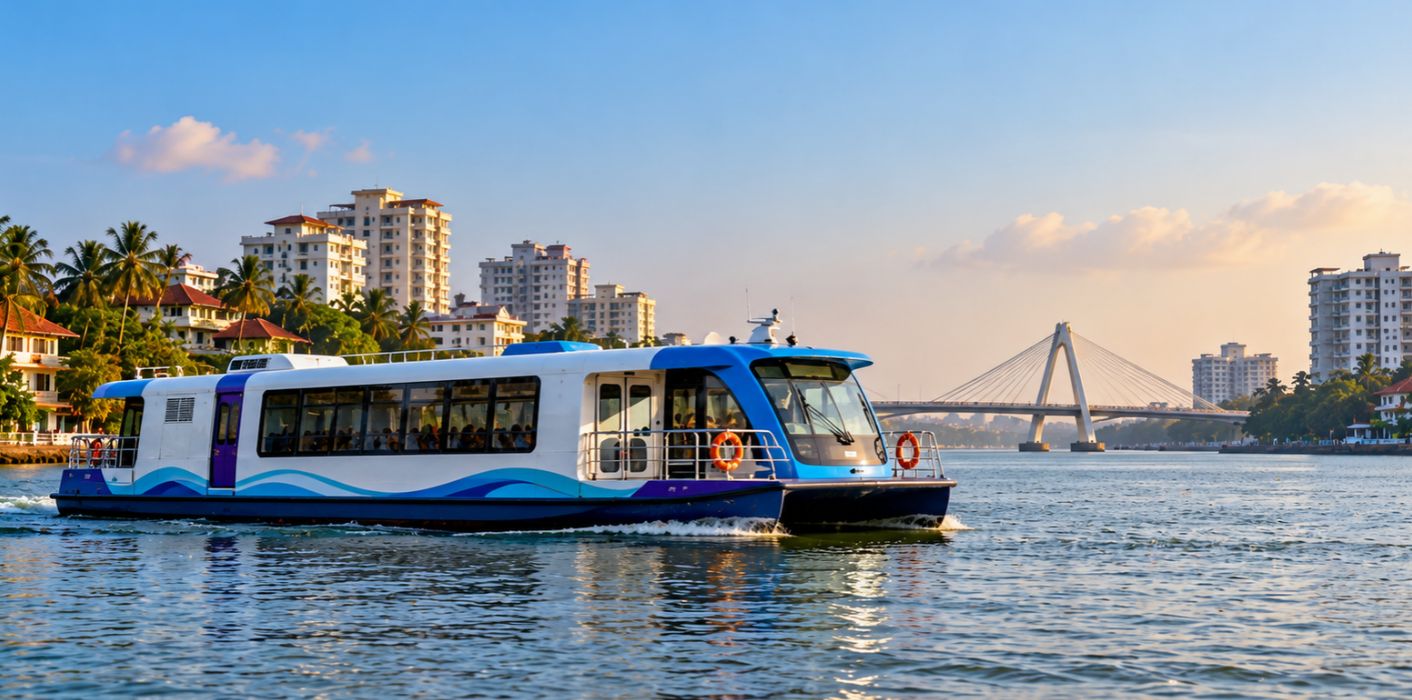
The Kochi Water Metro was conceived as an eco-friendly public transport option that complements the city’s rail metro and bus services. Its battery-powered electric hybrid boats offer a quieter way to travel through the backwaters, connecting areas that can otherwise depend heavily on road transport.
The removal of the six terminals could affect different communities in distinct ways. Thevara was intended to become a five-acre multimodal transport hub linking South Kochi locations such as Edakochi, Kumbalam, Nettoor and Thoppumpady with feeder buses. Its removal could disrupt the connectivity originally envisaged for these areas.
Other concerns include reduced direct water access to major hospitals near Aster and Amrita, as well as island neighbourhoods around Pizhala and Moolampilly. The revised plan also leaves residents around Kothad and Cheriyamthuruth without the proposed terminal connections.
Nettoor’s inclusion offers a potential advantage for commuters travelling towards Infopark and Kakkanad. A convenient water transport connection could provide an alternative to road journeys along the congested NH 66 bypass. However, the actual benefit will depend on service availability and integration with other transport options.
The Kochi Water Metro project has an estimated cost of more than ₹1,136 crore, supported by the Kerala government, German funding institution KfW (Kreditanstalt für Wiederaufbau) and local urban funds. Removing terminals considered difficult to implement could help direct investment towards more viable routes and manageable operating arrangements.
The revised network may also influence property demand across Greater Kochi, particularly in neighbourhoods where public transport access is important.
These are potential market effects rather than guaranteed changes in property prices. Connectivity remains one factor among several that influence housing demand.
The revised Kochi Water Metro plan prioritises feasibility over the original coverage ambitions. Nettoor’s addition could strengthen access to an important employment corridor, while the six cancellations leave questions about connectivity for several communities. The long-term outcome will depend on how effectively the remaining terminals integrate with buses and the rail metro as implementation progresses.
1. How many terminals are planned under the revised Kochi Water Metro network?
The revised plan reduces the Kochi Water Metro network from 38 proposed terminals to 33, following the removal of six locations and the addition of Nettoor.
2. Why was the Thevara Water Metro terminal dropped?
Thevara was removed because the project could not secure the required KSRTC-owned land. The proposed site was intended to support a five-acre multimodal transport hub connecting parts of South Kochi.
3. Why was Nettoor added to the Kochi Water Metro plan?
Nettoor was included because its land is already secured. The terminal is expected to support feeder connectivity towards the Kakkanad-Infopark IT corridor and offer an alternative for some NH 66 bypass commuters.
4. Which Kochi Water Metro terminals were dropped because of navigation problems?
Aster, Kothad and Cheriyamthuruth faced navigation-related constraints. These included narrow or shallow waterways, bridge clearance issues and conflicts with proposed bridge alignments.
5. How could the revised Kochi Water Metro plan affect island communities?
Removing the Mulavukad terminal, associated with the South Chittoor-Eloor stretch, reflects low passenger turnout. The wider changes could also limit the planned direct water connectivity for island neighbourhoods around Pizhala and Moolampilly.
6. How could Kochi Water Metro changes affect property demand?
Nettoor’s proposed connection to Kakkanad and Infopark could improve the appeal of nearby residential areas for IT workers. Neighbourhoods such as Thevara and Kothad may miss out on the accessibility benefits expected from the cancelled terminals.
Discover the most comprehensive business directory and blog platform in Kochi, Kerala, designed to help users find trusted local services, top-rated companies, and industry insights. Explore and find categories including restaurants, coffee shops healthcare, interior showrooms, real estate, education, tourism, and IT services with verified listings and detailed information. Stay updated with expert blogs, local trends, and business tips that guide your decisions. Easily search, compare, and connect with the best businesses in Kochi to meet your personal and professional needs efficiently.