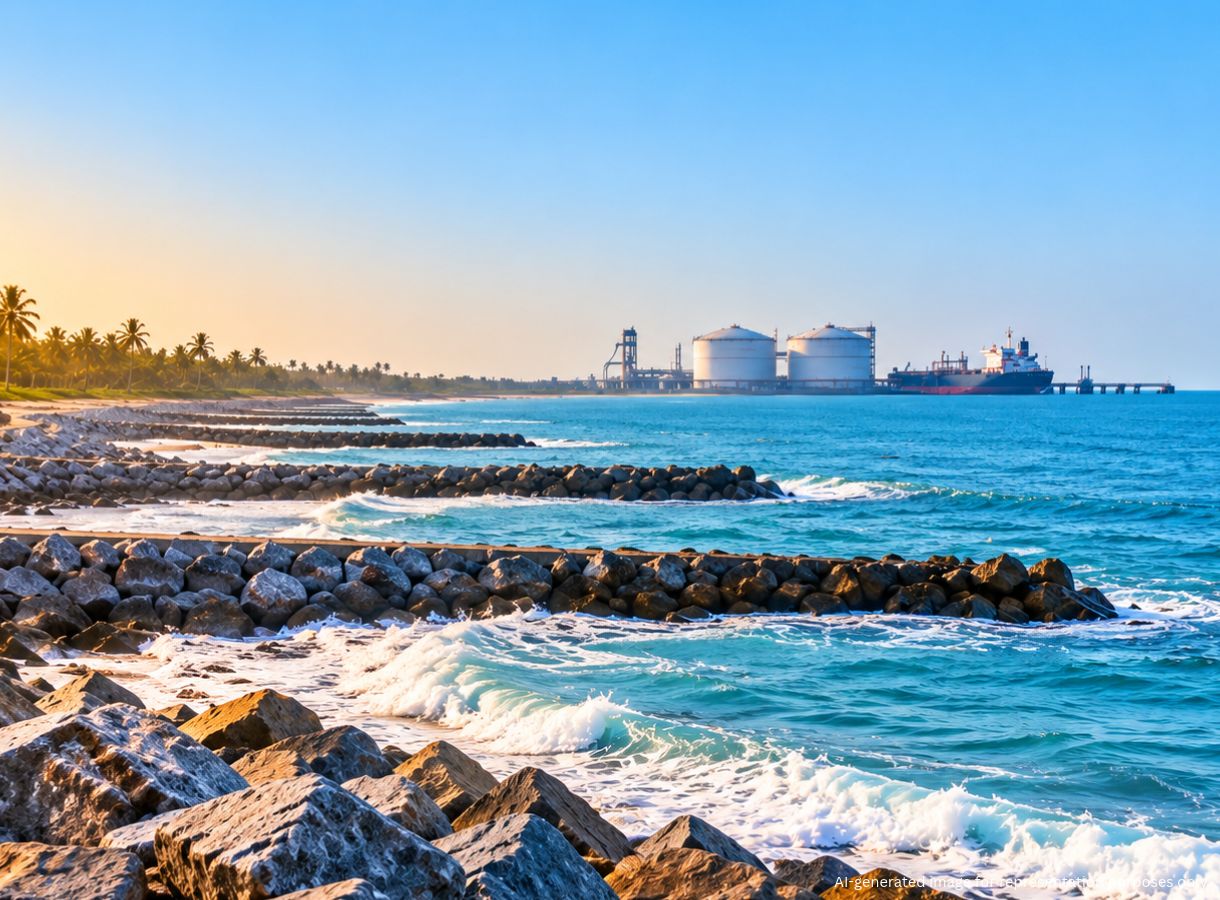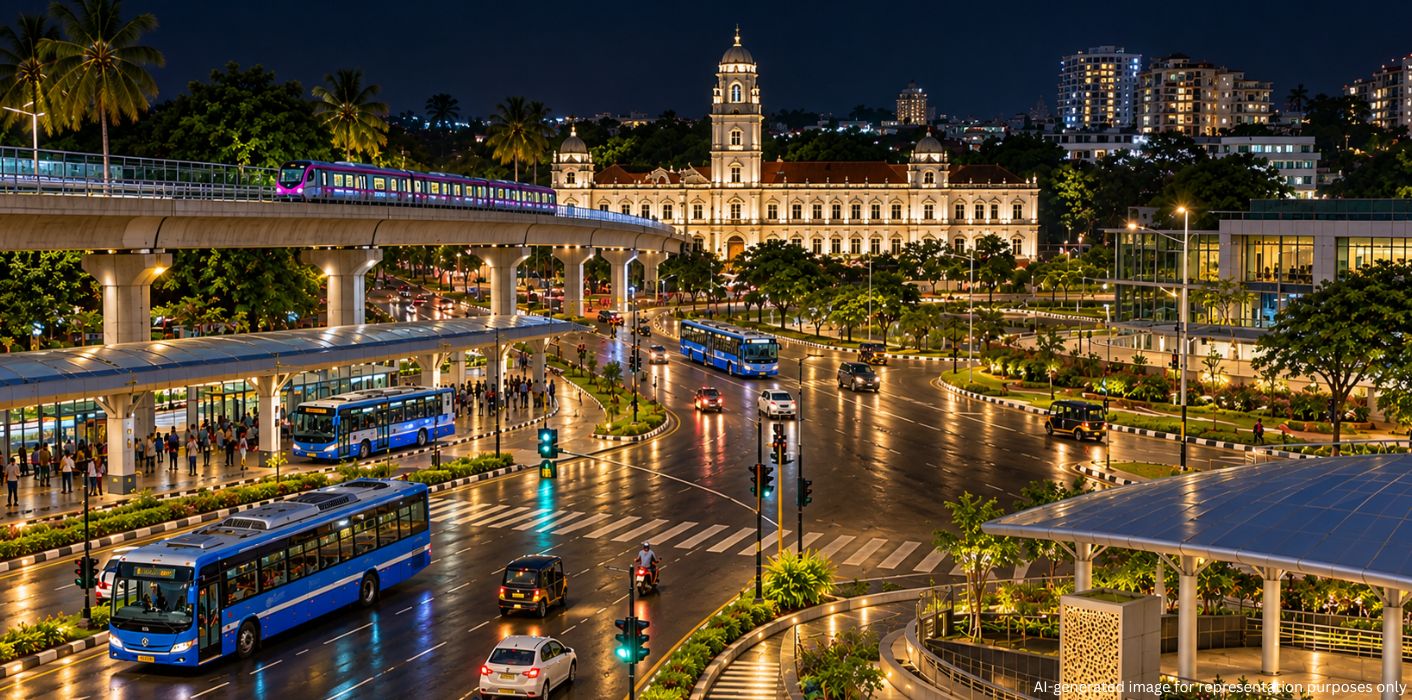
Kochi's growing urban needs have increased the demand for better infrastructure, smoother mobility and sustainable civic facilities. Kochi@2050, a proposed ₹1,500-crore urban development initiative, aims to address these challenges through 30 major projects approved by the Kochi Municipal Corporation Council on November 3, 2026. Supported by the Central Government's Urban Challenge Fund (UCF), the initiative seeks to transform Kochi into a modern, sustainable metropolitan city over the next 25 years.
Kochi@2050 is a long-term urban development blueprint intended to replace ageing infrastructure with modern public facilities, improved transport systems and technology-driven civic management.
The initiative is being introduced through the Central Government's Urban Challenge Fund, launched by the Ministry of Housing and Urban Affairs. Unlike conventional grant-based funding, this model requires cities to develop financially sustainable projects capable of generating revenue.
The Centre will provide 25% of the approved project cost as a grant, while the remaining funding must be mobilised through municipal bonds, bank loans and public-private partnerships (PPPs). The approach is intended to address municipal revenue limitations and attract private investment into urban infrastructure.
The proposed development plan targets several infrastructure and environmental difficulties affecting the city:
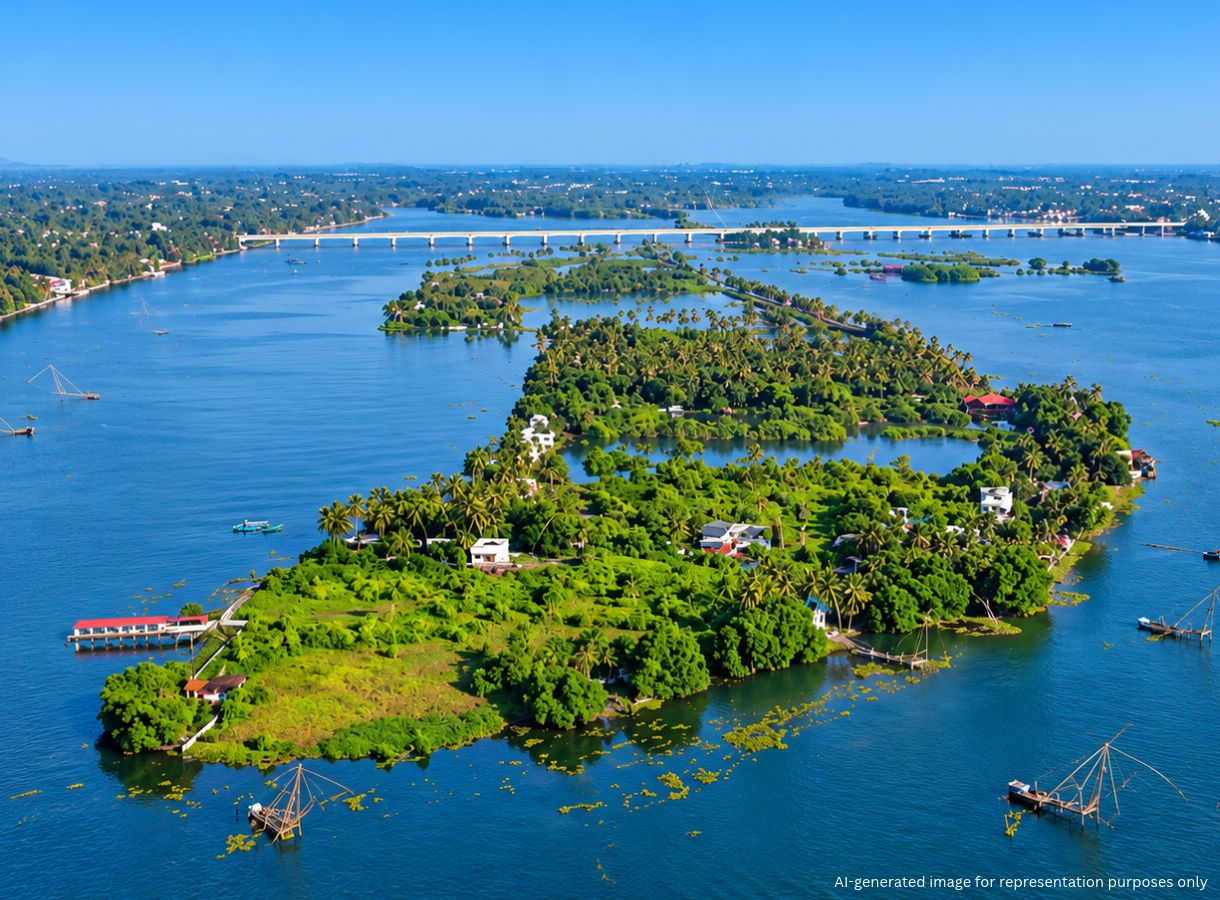
Daily commuters experience delays and difficulties navigating congested transport connections. Residents in coastal and low-lying areas face greater exposure to flooding and tidal inundation.
Street vendors and local merchants could experience business disruption during redevelopment. Meanwhile, vulnerable communities face concerns over the possible diversion of land originally earmarked for welfare and rehabilitation projects towards commercial developments.
The 30-project portfolio includes several infrastructure upgrades with direct public and economic benefits.
The proposed improvements are expected to benefit different sections of the city:
Following the council's approval on November 3, 2026, the project proposals are being forwarded to the Kerala government for technical screening. Only proposals receiving the necessary approvals will proceed to detailed project report preparation before central evaluation.
The corporation also needs to secure substantial market-based funding, making financial feasibility and revenue generation important considerations. Concerns over welfare land diversion, construction-related business disruption and dependence on commercial returns remain relevant to the plan.
Kochi@2050 presents a proposed route towards better-connected transport, modern civic facilities and improved urban management. Its actual impact will depend on project approvals, funding arrangements and implementation during the proposed 2026-2031 funding window.
1. What is the Kochi@2050 urban development project?
Kochi@2050 is a 25-year urban transformation initiative approved by the Kochi Municipal Corporation Council on November 3, 2026. It comprises 30 proposed development projects with an estimated investment of ₹1,500 crore. The portfolio covers integrated mobility hubs, modernised bus stands, digital urban planning, waste-processing facilities and community infrastructure.
2. How will the Kochi@2050 project be funded?
The ₹1,500-crore Kochi@2050 initiative will receive financial support through the Central Government's Urban Challenge Fund (UCF). The Centre will provide 25% of the approved project cost as a grant. Kochi Municipal Corporation must mobilise the remaining 75% through municipal bonds, green bonds, bank loans or public-private partnerships (PPPs).
3. What are the major infrastructure projects planned under Kochi@2050?
The major proposals include a ₹150-200-crore integrated mobility hub at Kaloor, a ₹75-100-crore hub at Vypin, a ₹175-crore civic tower at Kacheripady and bus stand modernisation costing ₹50-75 crore. Other projects include the ₹35-crore digital twin platform and ₹32-crore Brahmapuram waste-processing facility.
4. How will Kochi@2050 benefit daily commuters and street vendors?
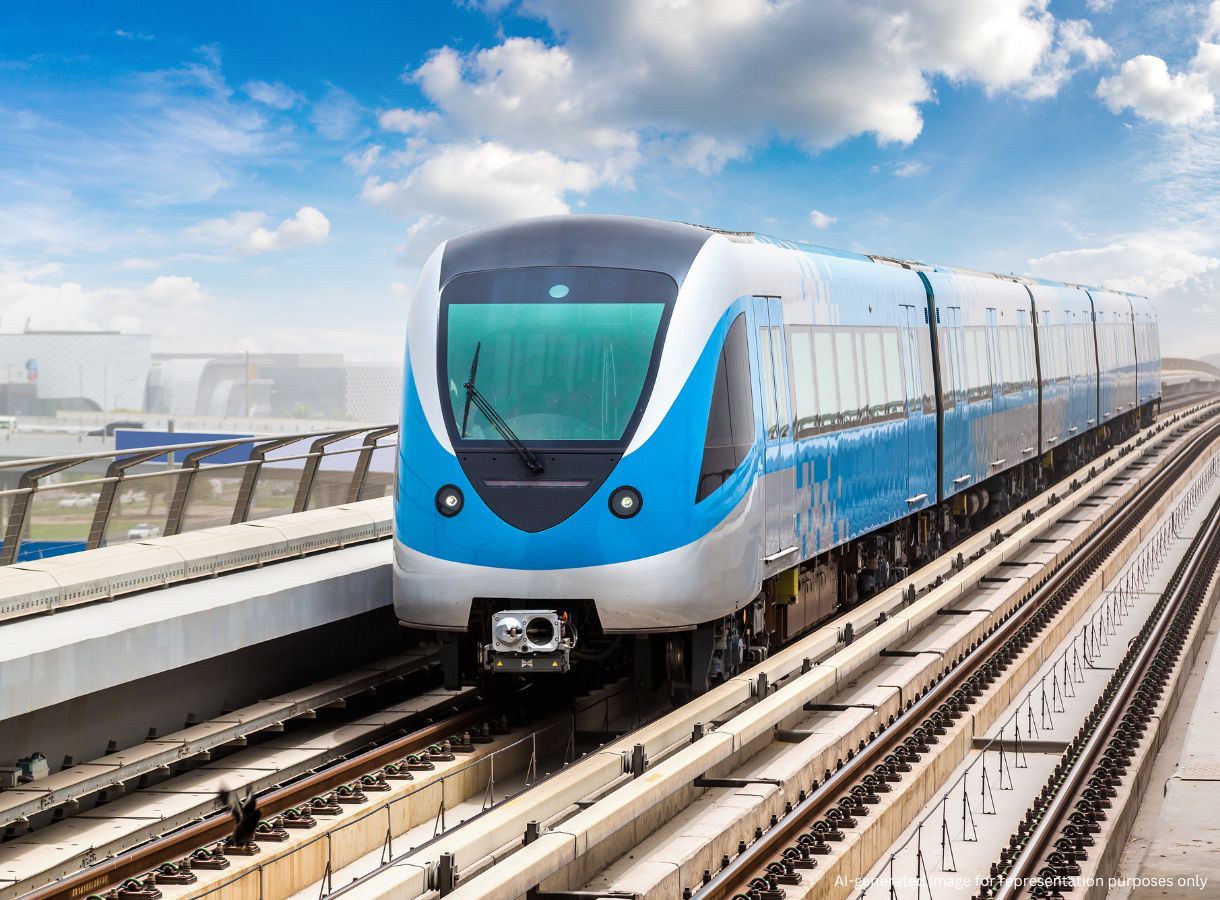
The proposed Kaloor and Vypin mobility hubs aim to improve connections between metro services, buses and other transport systems. Modernised bus stands and pedestrian facilities could make daily travel easier. The Kaloor hub proposal also includes dedicated ground-floor spaces for relocating local street vendors, although construction may temporarily disrupt their businesses.
5. How will Kochi@2050 address flooding and environmental challenges?
Kochi@2050 proposes a ₹35-crore 3D Digital Twin and Urban Intelligence platform to support digital mapping, zoning and urban planning. This could help improve the identification of flood-prone areas. The proposed ₹32-crore Brahmapuram waste-processing facility will also address waste-management requirements, including the city's need for better centralised processing infrastructure.
6. What is the current status and implementation timeline of Kochi@2050?
As of November 2026, the Kochi Municipal Corporation Council has approved the initial proposals for all 30 projects. They are being forwarded to the Kerala government for technical screening. Approved proposals will proceed to detailed project reports and central evaluation. The proposed funding and execution window runs from 2026 to 2031.
Discover the most comprehensive business directory and blog platform in Kochi, Kerala, designed to help users find trusted local services, top-rated companies, and industry insights. Explore and find categories including restaurants, coffee shops healthcare, interior showrooms, real estate, education, tourism, and IT services with verified listings and detailed information. Stay updated with expert blogs, local trends, and business tips that guide your decisions. Easily search, compare, and connect with the best businesses in Kochi to meet your personal and professional needs efficiently.